

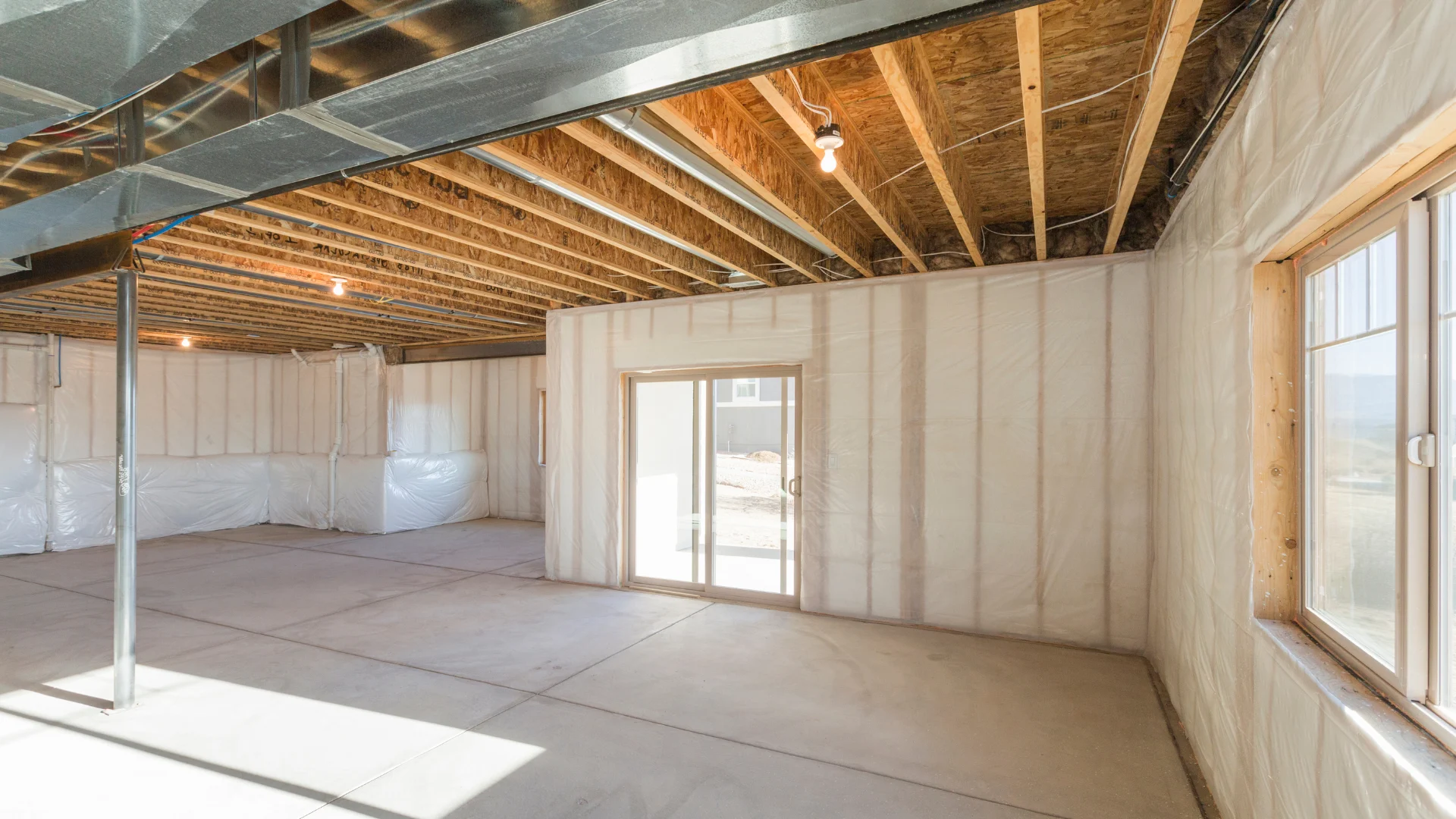
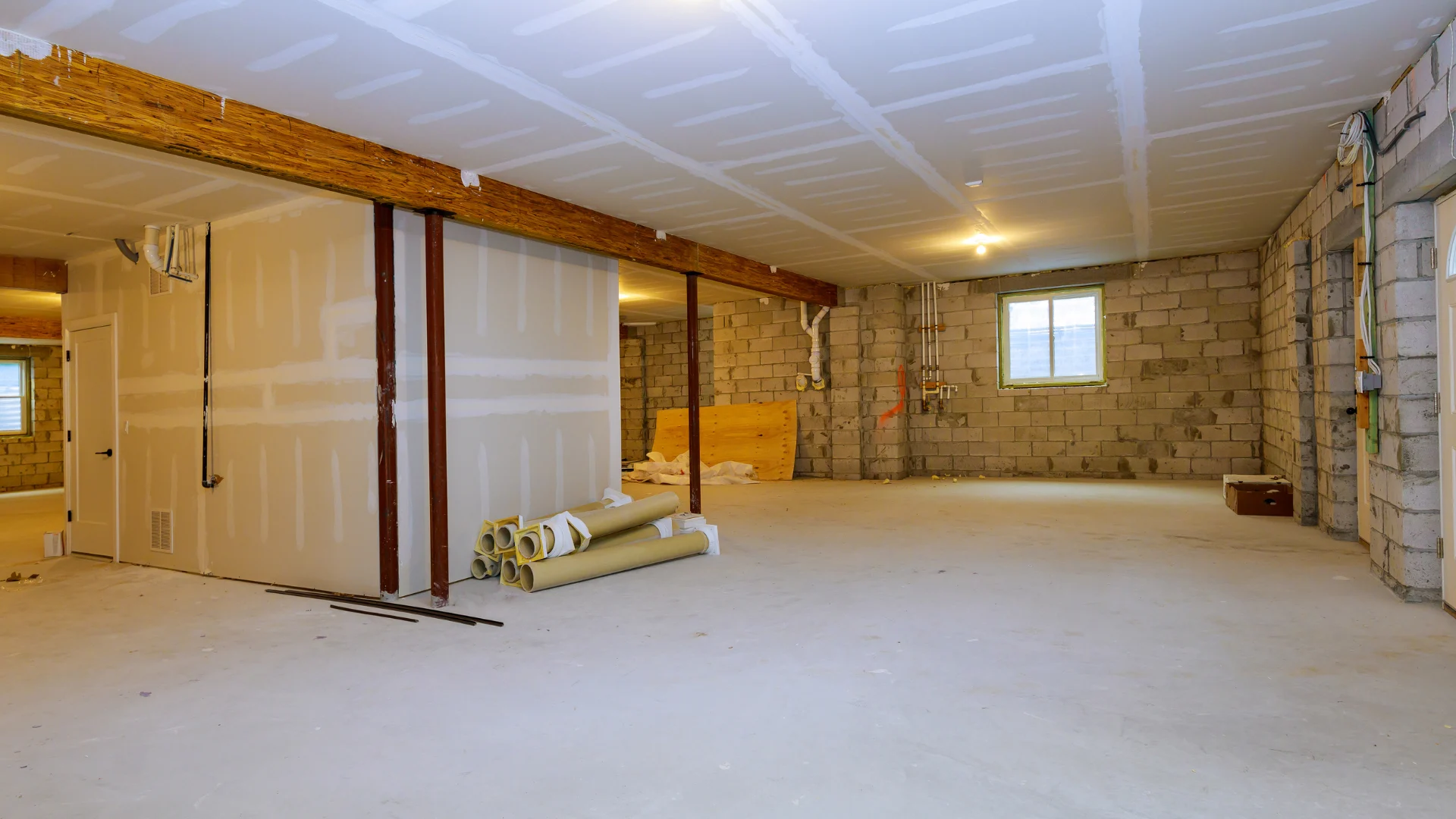
Converting your basement into a functional living space can significantly increase your home’s value and usability. However, one of the most critical considerations is making sure your exiting basement legal. Proper exits are not just a regulatory requirement, they are essential for safety and peace of mind.
Why Legal Basement Exits Are Important
Having a legal basement exit ensures that your space meets building codes and safety standards. This is particularly important in emergencies such as fires or natural disasters. Homeowners who attempt to install a basement exit without proper approval risk fines, insurance issues, or complications when selling the property. By prioritizing a legal exit, you protect both your family and your investment.
Legal exits also provide practical benefits. A well-designed exit allows for natural light and ventilation, making your basement more comfortable and inviting. This transforms what was once a dark, underutilized area into a bright and livable space suitable for bedrooms, recreation rooms, or home offices.
Steps to Make Your Basement Exit Legal
Creating an exiting basement legal pathway involves several essential steps. First, you must check local building codes to understand the requirements for window size, door dimensions, and emergency egress. Professional contractors can help navigate these regulations, ensuring your project adheres to all legal standards.
Excavation may be necessary to accommodate larger windows or egress doors, and this must be done safely and in compliance with regulations. Experienced contractors also ensure proper waterproofing and structural support, preventing future issues such as leaks or foundation damage.
Professional Installation Matters
Hiring licensed professionals for your basement exit project is crucial. They bring the expertise to design and install a compliant egress system while minimizing disruption to your home. From digging and framing to installing stairs or windows, skilled contractors handle every aspect of the project efficiently and safely.
Professional installation not only ensures code compliance but also enhances the aesthetic appeal of your basement. Modern egress options can be designed to blend seamlessly with your home’s exterior, providing a stylish yet functional exit solution.
Maintaining Compliance
Once your basement exit is installed, regular maintenance is vital to keep it safe and functional. Check for obstructions, ensure doors and windows open smoothly, and inspect for signs of wear or water intrusion. Maintaining a legal basement exit protects your family and ensures your home remains compliant with local building codes.
Adding Value and Peace of Mind
An exiting basement legal setup not only improves safety but also adds value to your property. Potential buyers are more confident in a home with code-compliant basements, making it easier to sell in the future. Moreover, you gain peace of mind knowing that your basement is a safe and legally compliant living space for family or tenants.
Investing in a properly designed and installed legal basement exit is a wise decision. It guarantees safety, enhances comfort, and protects your property investment for years to come. When planning your basement renovation, make sure a compliant exit is at the top of your priority list.
